THE
PASSAGE in THE EMERGENCY ROOM
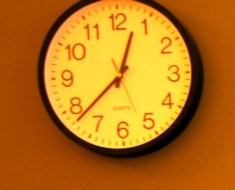
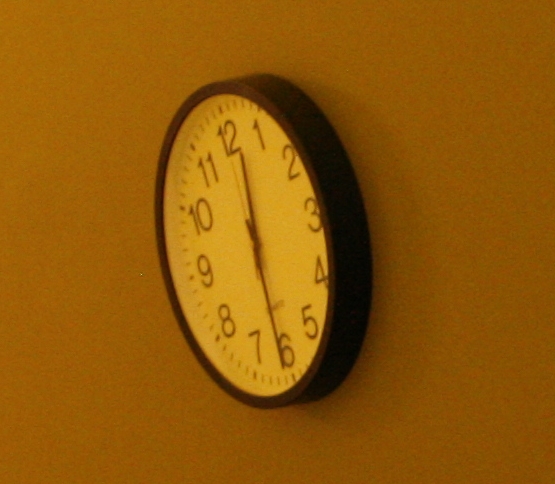 12.30
pm
12.30
pm
the passage is the
most important
moment in Emergency Room
it happen daily at 12.30 pm
The artist burning to exhibit
an
emergency case must often run 
to the EMERGENCY ROOM with his
finished art work
in order to show it before it is too late before the deadline
every day at 12. 30 p.m. is " the passage"
the moment
the exhibition from today replaces the exhibition from yesterday
" the passage" is a moment that attracts
the public and the medias 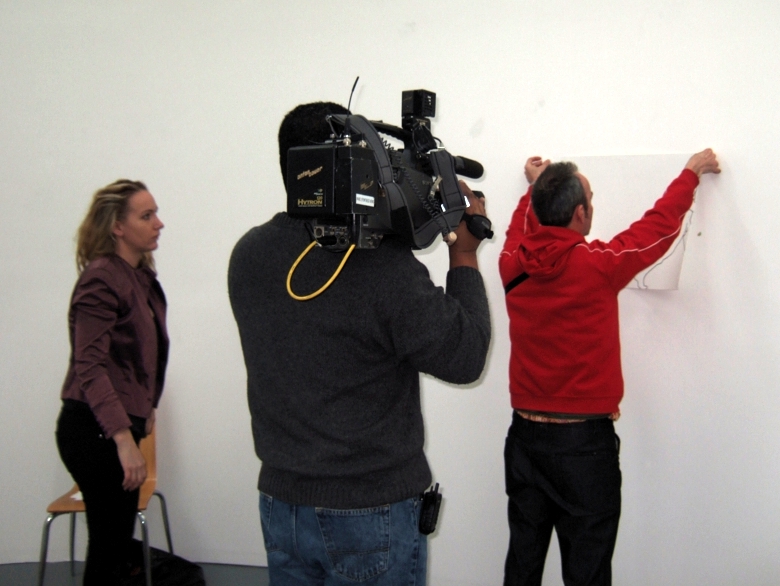
" the passage"is the moment were
all the artists
with
a
burning opinion about the day exhibit
a moment of rendez vous and debate
a moment where communauty of
opinion can be made
a moment when collaborative work happens as well
precision and deadline are important
important in theEmergency Room
Emergency Room is not an abstract place
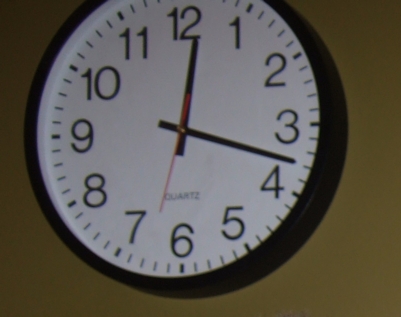 beetween 12.15 and 12.30 very short interviews of
the coming artists are conducted.
beetween 12.15 and 12.30 very short interviews of
the coming artists are conducted.
It is important to record their burning thoughts while they are
still moved and
exited .
The video recording of the artists rushing to exhibit is
important and has historic values
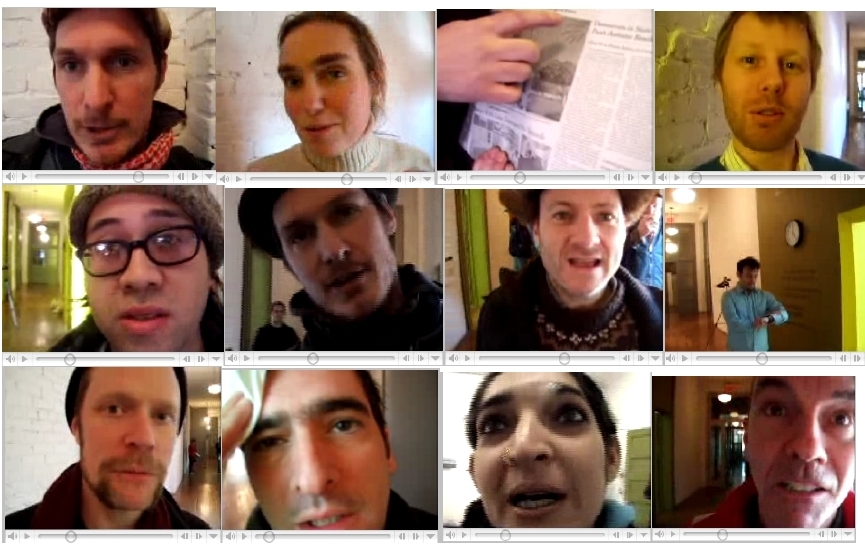
LINK
to VIDEO INTERVIEWS
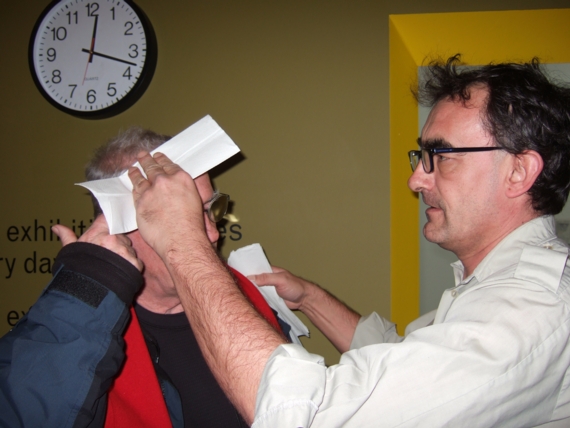
artist sweat is also collected
artist sweat is precious stuff in Emergency Room
as well as opinions
Emergency Room is also an enormous
collecting machine
12.29 pm : 1minute before the Passage . The
passage happens every day at the same time : The art works from
yesterday
are still exhibited in the Emergency Room. In 1 minute they will be
replaced by the ones from today : It is the last chance for the public
to see them in the Emergency Room . The public is welcome before during
and after the passage


12.30 sharp The
passage takes place.Artists come inside the Emergency Room to
change the exhibition.
They remove art works from yesterday to place the ones from today (1) .
They will decide together about the distribution of the space .
The " hierachy " of placement is decided accordingto the
pertinence of their work
and the level of emergency .
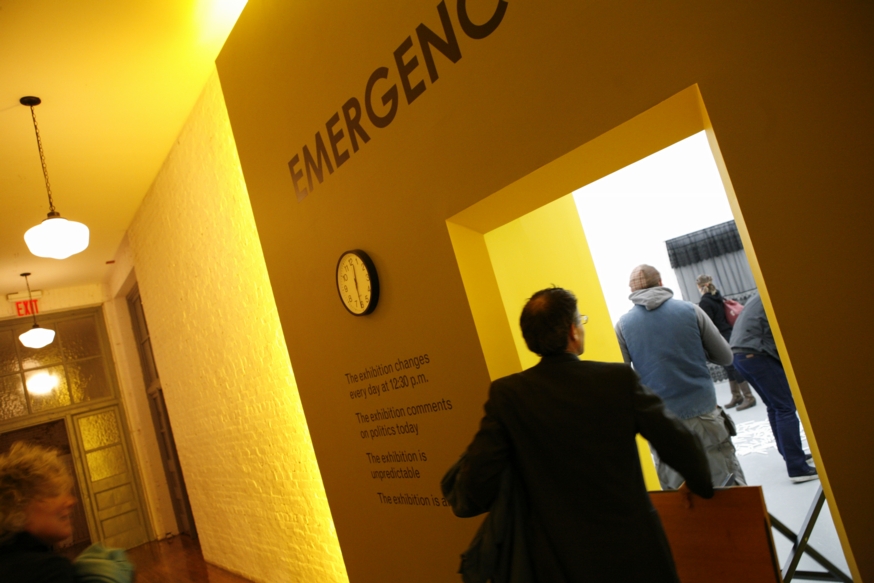
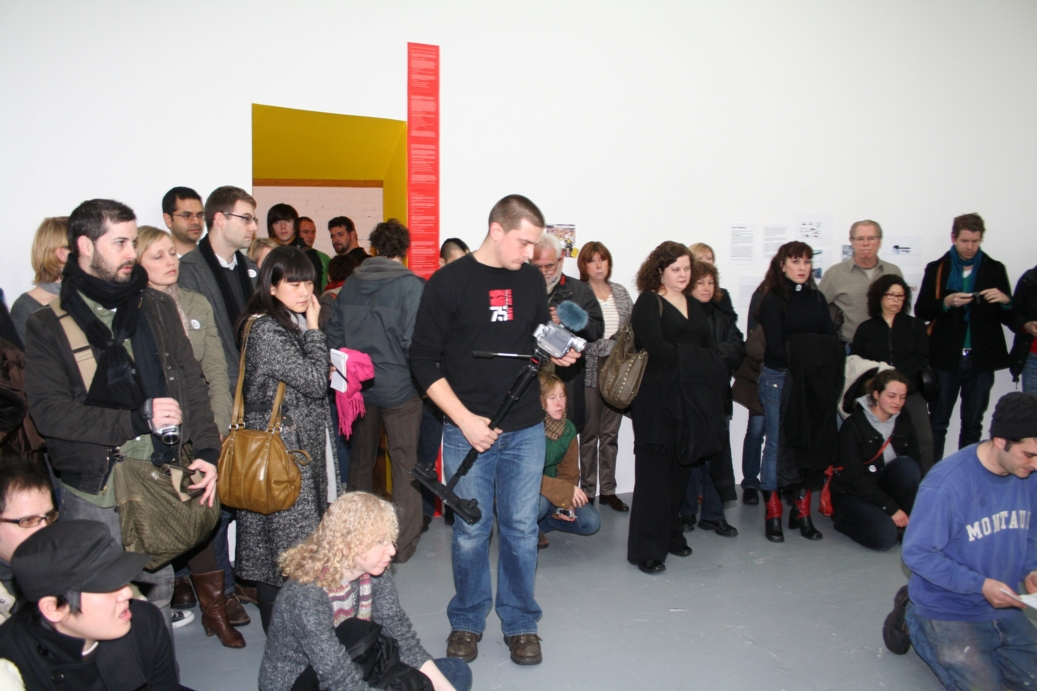

The public
and the medias can daily witness the passage and also ask to
the artist to debate opinions and visions
Sometimes mass media come to sources opinions and reflections in
the Emergency Room .
The artist' s opinion get in the TV news then and reach a
large
audience
( example : ABC news : 10 million vieuwers) ( internet
link /video
link ) Reuter TV ( TV footage shown in India China Mexico etc ...)
The public can also debate with the artists , in fact everyone can talk
to
each other : the medias the artists the public (2)
12.30 p.m. is like the change of the guards
the passage is like a DJ mix ( video Jens
Haaning)
the passage is a strong experience
12
.31 p.m.
: the first work are already exhibited at the same time work
from
yesterday is taken down safely and kept for the delay museum
12.38
the exhibition is
vibrating totally soon updated ..


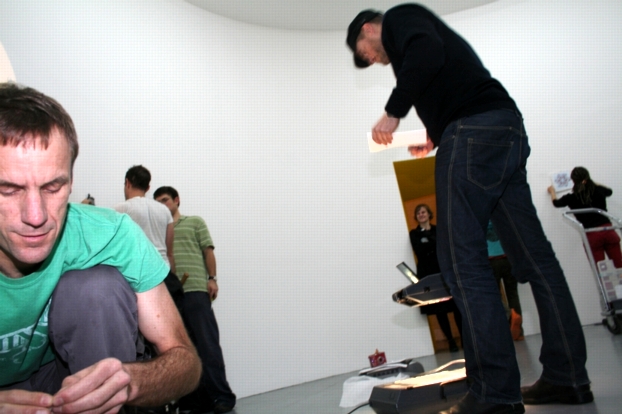
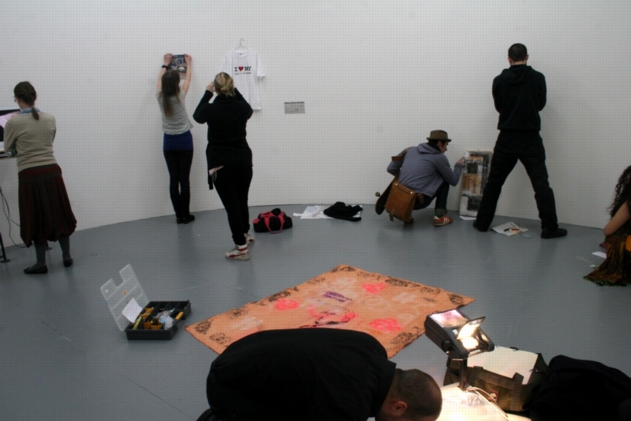

Opinioned artists simultanely deinstal delay art works and
install the news art
work of
today
at 1
p.m.
The new installation
depending
of it s nature takes about 30
minutes . The exhibition has to be ready in the round white cube as
soon
as possible .
So the public can experiment finished art works.
Emergency
Room welcome performances but Emergency Room is not a work shop
:
it
is a
finished welcoming exhibition space ready to have the art
work well shown for the streaming visitors .
Beside the Emergency Room there is a backstage room where artists
can socialize or work before or after the passage in the
Emergency Room
the room is a round white cube
every day the same ritual
IN ALL EMERGENCY ROOMs
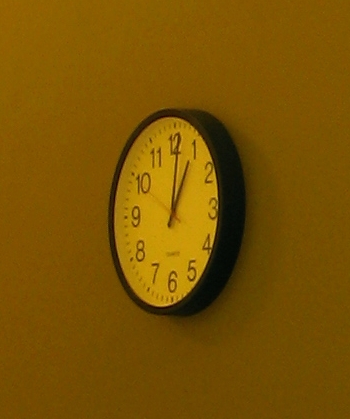
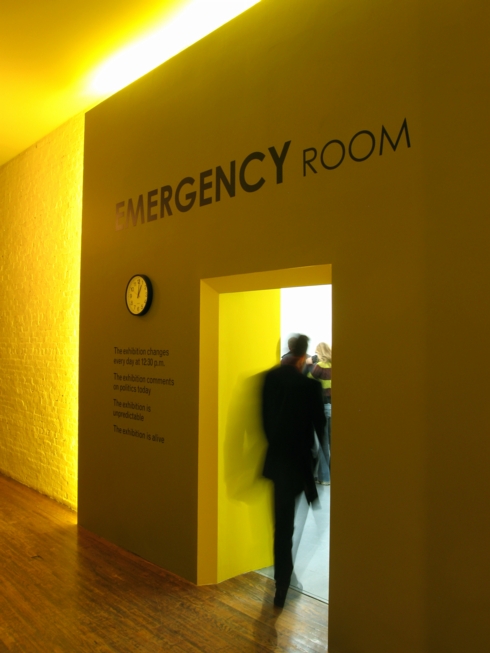
until the next day 12.30
The public can see the 24 hour exhibition
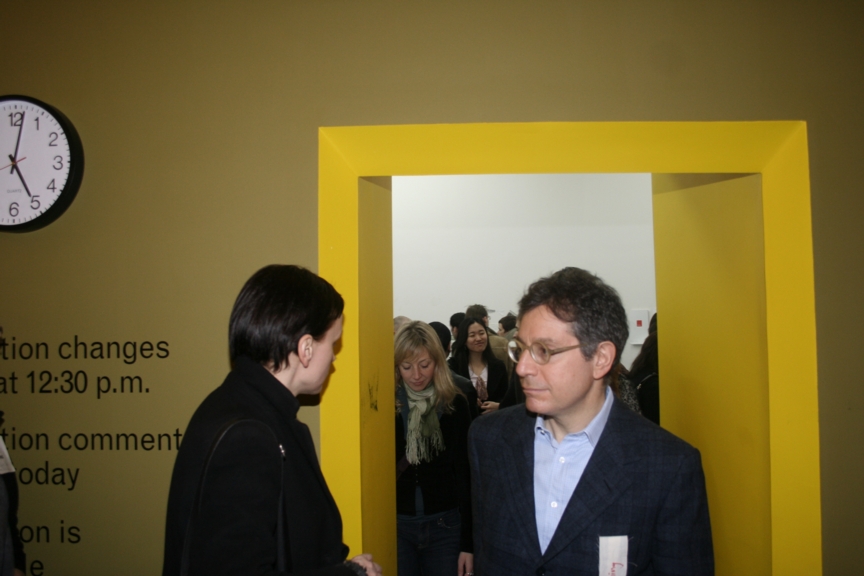

PASSAGE [fr.
passage]
The passage takes place in the Emergency Room at 12.30 every day.
The passage brings fresh works of today.
The passage replaces the works from yesterday.
The artists meet each other at the passage.
The passage is a kind of relay.
The story continues.
New works take over where the works of yesterday left.
(2) "The
show-though its participatory nature really makes it more of an
experience-pulls the viewer into its frantic and fast-paced nature,
while instilling a sense of global awareness and even of retaliation."
By:
James Dewill Columbia
Daily Spectator
"Artists, audience and media have been fighting for weeks in order to
get to see and participate in the new and innovating exhibition that
with its "art of the news" puts the art institution itself to debate.
Reuters, The New Yorker and the tv-channel ABC News are some of the
leading media that have brought the story about the original
exhibition, and at P.S.1 more than a thousand visitors per day have
been seeing it....."
Af
NIKOLAJ
M. LASSEN Weekendavisens
udsendte medarbejder //30. marts
2007
"For
publikum, som
indfinder sig i rummet ved middagstid, er der nemlig
masser at se på: gårsdagens udstilling hænger stadig
på væggene, og på
gangen udenfor tripper de spændte kunstnere rundt, nogle
færdiggør
deres værker på stedet, tilføjer de sidste detaljer
og skriver skilte
med den obligatoriske, forklarende ledsagetekst. Thierry Geoffroy og en
assistent går rundt og interviewer dem med videokamera og
mikrofon:
»Hvad kommenterer du i dag, hvad tager du udgangspunkt i, hvad er
din
holdning?« På klokkeslæt lukkes de ind i rummet og
udskifter gårsdagens
værker med de dagsaktuelle"
samfundet
i form af medierne er også en medspiller for Emergency
Room,
da mediernes dækning af nyhedskunstværkerne er med til at
gøre dem
synlige for den offentlighed, som måske ikke lige lægger
vejen forbi
museet. Ligesom den megen pressedækning måske også
kan være med til at
overbevise kunstinstitutionerne om, at de bør have et permanent
Emergency Room, hvilket er Thierry Geoffroys overordnede praktiske
mål
med projektet. Megen presse betyder nemlig mange gæster som igen
betyder penge i kassen, og kunstgallerier og museer er nu engang
også
forretninger som skal tjene penge ind. Når alt kommer til alt, er
kunsten nemlig også en del af medie- og konsumsamfundet.
Af
NIKOLAJ
M. LASSEN Weekendavisens
udsendte medarbejder //30. marts
2007